



Cookies are short pieces of data that are sent to your computer when you visit a website. On later visits, this data is then returned to that website. Cookies allow us to recognize you automatically whenever you visit our site so that we can personalize your experience and provide you with better service. We also use cookies (and similar browser data, such as Flash cookies) for fraud prevention and other purposes. If your web browser is set to refuse cookies from our website, you will not be able to complete a purchase or take advantage of certain features of our website, such as storing items in your Shopping Cart or receiving personalized recommendations. As a result, we strongly encourage you to configure your web browser to accept cookies from our website.
Enabling Cookies
Internet Explorer 7.x
-
Start Internet Explorer
-
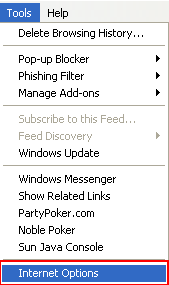
Under the Tools menu, click Internet Options
-
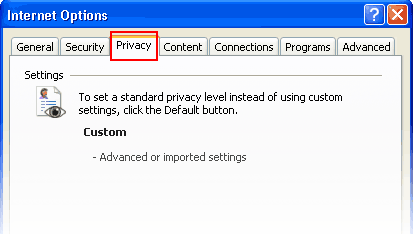
Click the Privacy tab
-
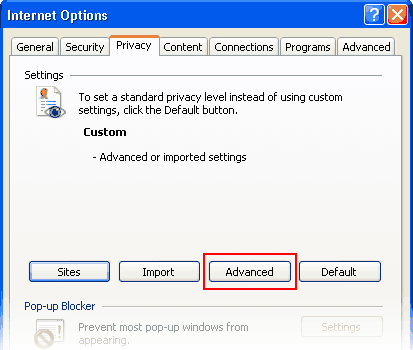
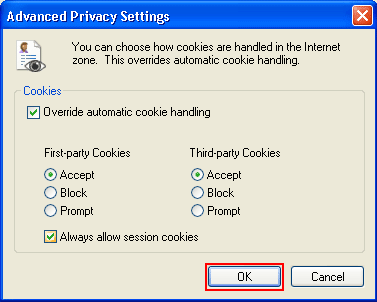
Click the Advanced button
-
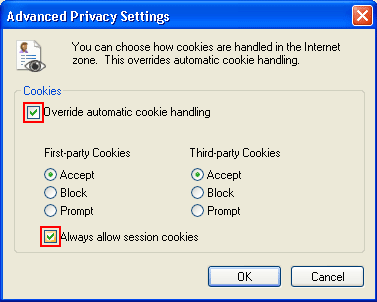
Put a check mark in the box for Override Automatic Cookie Handling, put another check mark in the Always accept session cookies box
-
Click OK
-
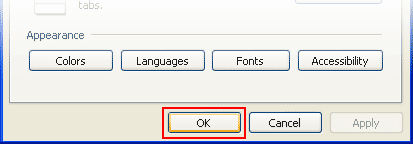
Click OK
-
Restart Internet Explore
Internet Explorer 6.x
-
Select Internet Options from the Tools menu

-
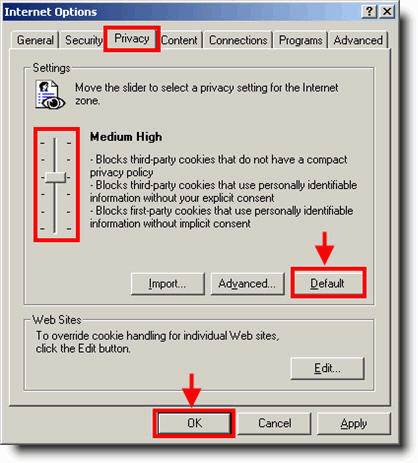
Click on the Privacy tab
-
Click the Default button (or manually slide the bar down to Medium) under Settings. Click OK
Mozilla/Firefox
-
Click on the Tools-menu in Mozilla
-
Click on the Options... item in the menu - a new window open
-
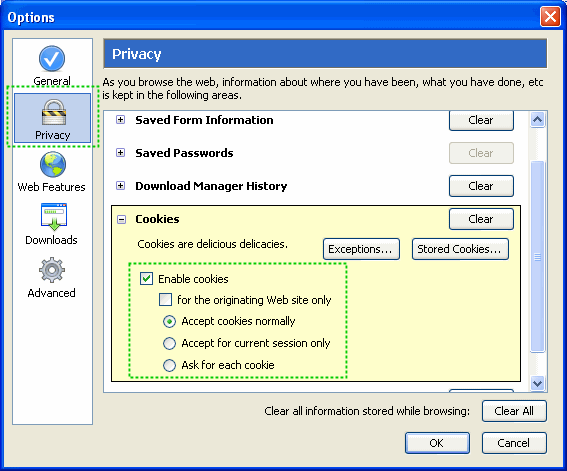
Click on the Privacy selection in the left part of the window. (See image below)
-
Expand the Cookies section
-
Check the Enable cookies and Accept cookies normally checkboxes
-
Save changes by clicking Ok.
Opera 7.x
-
Click on the Tools menu in Opera
-
Click on the Preferences... item in the menu - a new window open
-
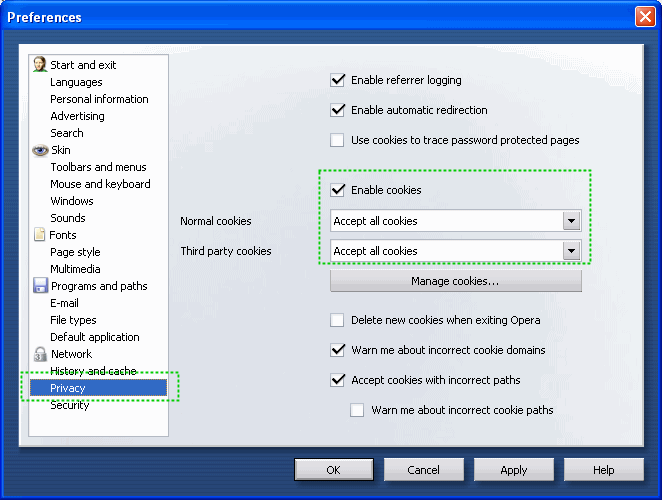
Click on the Privacy selection near the bottom left of the window. (See image below)
-
The Enable cookies checkbox must be checked, and Accept all cookies should be selected in the "Normal cookies" drop-down
-
Save changes by clicking Ok
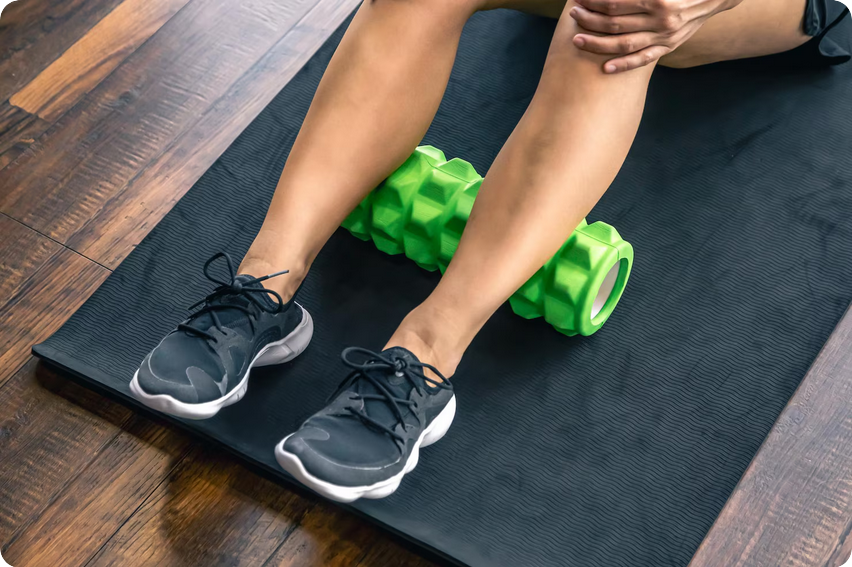 Jei prasidėjus aktyviam sezonui po pirmų ilgesnių pasivaikščiojimų, bėgimų ar darbų lauke jaučiate blauzdų tempimą ar šlaunų nuovargį, tai yra aiškus signalas, kad kūnas susiduria su nauju krūviu. Daugelis žmonių mano, kad tai normalu ir praeis savaime, tačiau moksliniai tyrimai rodo, kad būtent šiuo laikotarpiu dažniausiai formuojasi ilgalaikės problemos. Staigus aktyvumo padidėjimas sukelia mikro pažeidimus raumenyse ir sausgyslėse. Jei į tai nereaguojama, atsiranda skausmas ar net traumos. Todėl blauzdos ir šlaunies apsauga turi prasidėti ne tada, kai jau skauda, o gerokai anksčiau. Tai yra vienas svarbiausių principų siekiant išlaikyti gerą savijautą.
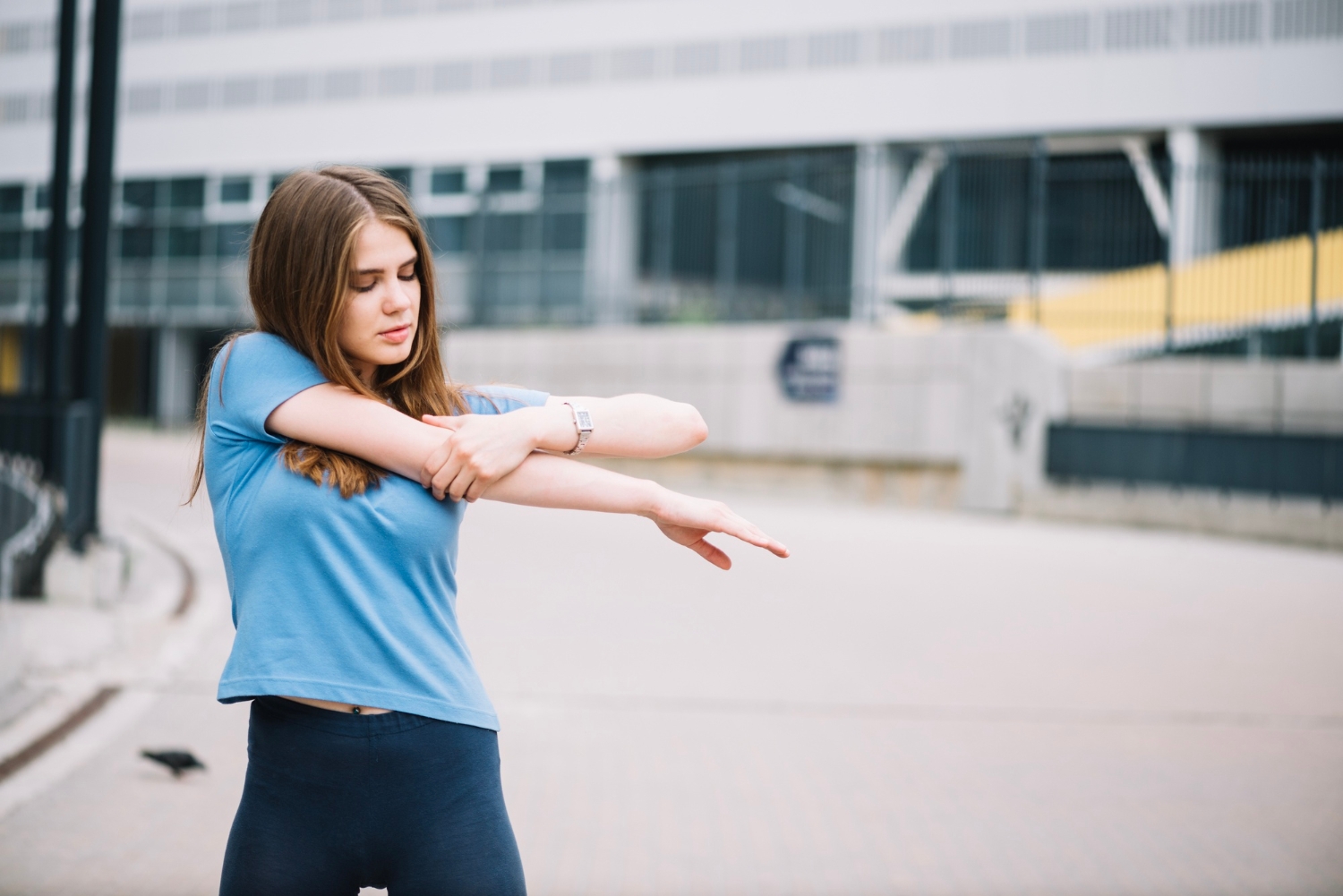 Jei aktyvaus sezono metu pastebite, kad dažniau jaučiate įtampą kakle, pečiuose ar rankose, tai nėra atsitiktinis pojūtis. Viršutinė kūno dalis kasdien atlieka didžiulį kiekį darbo – nuo sėdėjimo prie kompiuterio iki aktyvaus judėjimo ar sporto. Moksliniai tyrimai rodo, kad viršutinės kūno dalies skausmas dažniausiai atsiranda ne dėl traumų, o dėl ilgalaikių įpročių ir netinkamo krūvio paskirstymo. Tai reiškia, kad problema dažnai formuojasi palaipsniui, net nepastebint. Prasidėjus aktyviam sezonui, kai judėjimo kiekis staiga padidėja, šie procesai tik dar labiau išryškėja. Būtent todėl svarbu ne tik reaguoti į skausmą, bet iš anksto kurti įpročius, kurie padeda išlaikyti gerą viršutinės kūno dalies savijautą.